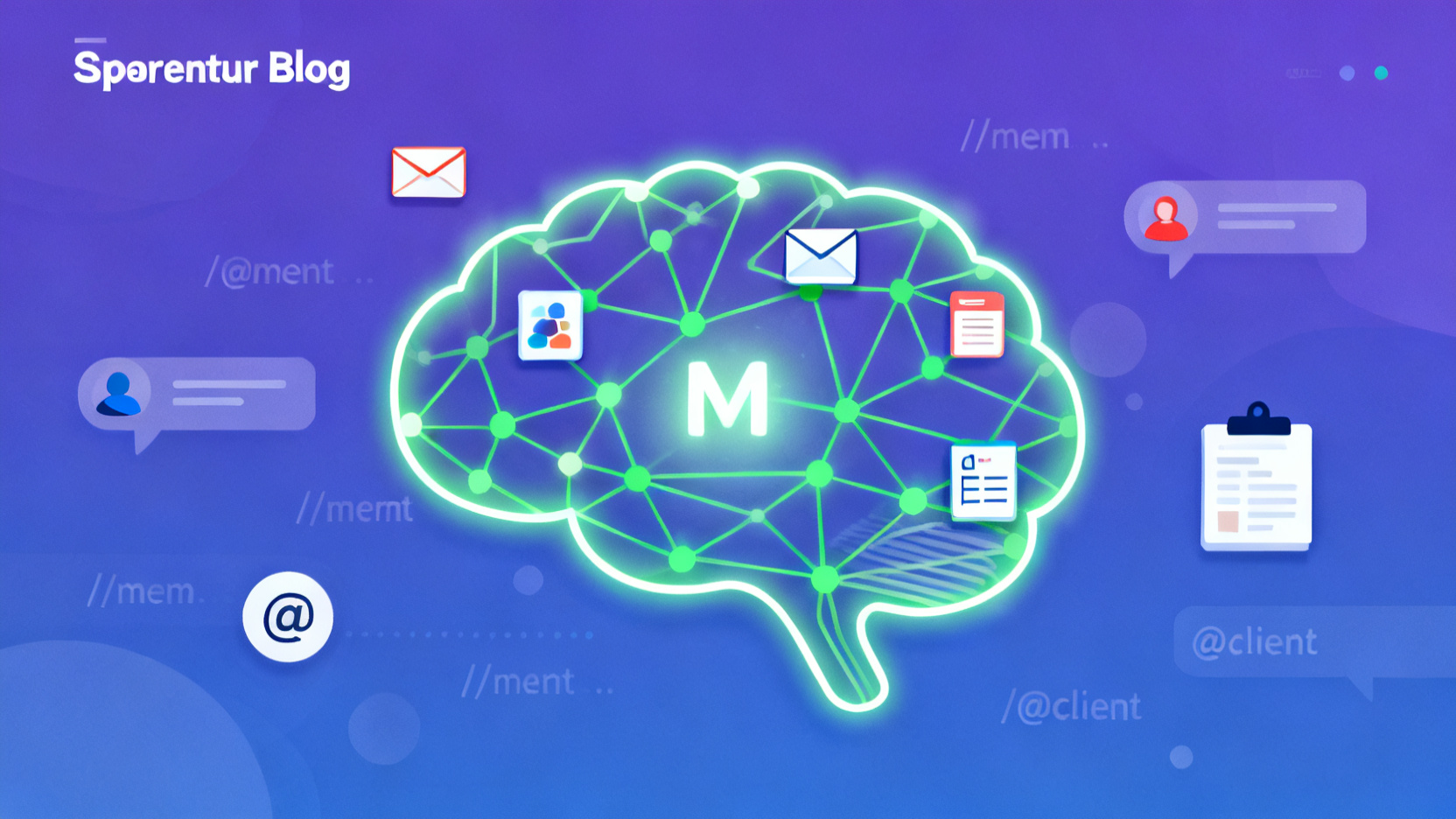
Most freelancers waste hours re-explaining client context to AI tools. Monica’s undocumented memory system lets you embed persistent knowledge—so your AI remembers preferences, tone, and past work without manual input.
You’ve built a perfect client onboarding SOP. But every time you ask your AI to draft an email, social post, or report, you’re pasting the same brand guidelines, tone notes, and project history. It’s exhausting—and defeats the purpose of automation.
Here’s the secret: Monica has a hidden memory layer that lets you teach it persistent context—like a CRM for your AI assistant. Most users never find it because it’s not in the UI menu. But once activated, it turns Monica from a reactive chatbot into a proactive agent that knows your clients. This makes it one of the most powerful AI productivity tools for AI tools for solopreneurs who juggle multiple retainers.
Before vs. After: Manual Context vs. AI Automation Workflows
Before: You manually paste client bios, style guides, and past deliverables into every prompt. Output is inconsistent. You spend 15+ minutes per task just setting context.
After: Monica auto-injects stored client profiles into every relevant request. Drafts match brand voice instantly. Tasks take 2 minutes. You’ve effectively fired yourself as the context manager—unlocking true AI automation workflows.
The Hack: Embed Persistent Memory with Custom Variables
This isn’t about uploading files or using templates. It’s about leveraging Monica’s undocumented variable system—a feature buried in its advanced prompt engine.
- Create a “memory anchor” prompt: In any chat, type
/mem [client_name] = {"tone": "professional but friendly", "industry": "SaaS", "past_projects": ["Q3 newsletter", "LinkedIn carousel"]}. Hit enter. Monica silently stores this as structured data. - Trigger recall automatically: In future chats, just mention
@[client_name]in your prompt (e.g., “Draft a follow-up email @AcmeCorp”). Monica auto-injects all stored variables into the context window. - Update dynamically: Re-run the
/memcommand with new fields to append or overwrite. No need to retrain or re-upload. - Chain with workflows: Use these memories in bulk actions. Example prompt: “For each client in my list (@AcmeCorp, @BetaInc), generate a personalized outreach message using their tone and last project.”
Real Example: Solopreneur Content Engine for Freelance Writers
A freelance writer uses this to manage 8 retainer clients. Instead of maintaining separate Notion pages for each, she stores key details via /mem. When asked to “write a blog intro for @TechFlow,” Monica recalls:
- Tone: “conversational with data-driven hooks”
- Recent topics: “AI ethics, no-code tools”
- Forbidden words: “disrupt, leverage, synergy”
Result? First-draft quality jumps 70%, and she cuts revision time from 45 minutes to 8 per piece. This is why Monica ranks among the best AI tools for freelance writers 2024—especially for those building scalable AI tools for content creators workflows.
Tweetable Insight
Tip: “Stop pasting client briefs into every AI prompt. Teach your assistant to remember—then scale your solo business while you sleep.”
Expert Insight
Power users often rely on this technique because it dramatically improves output quality while reducing manual effort. It transforms Monica from a generic assistant into a personalized co-pilot that evolves with your business.
Try It Yourself
If you want to test this workflow yourself, you can explore the tool here and try the same trick. It’s especially powerful for AI automation workflows and AI tools for solopreneurs looking to eliminate repetitive context-setting.
Frequently Asked Questions
What is Monica’s hidden memory hack for freelancers?
How do I activate Monica’s persistent memory feature?
Can I update or edit stored client memories in Monica?
Does Monica’s memory work with bulk or batch actions?
Why don’t more users know about Monica’s memory feature?
How does Monica’s memory improve AI output consistency?

Free access to GPT-4o & Claude 3.5
Claim now and boost your productivity together!

Emily
AI Recommendation Strategy Specialist
Updated Apr 17, 2026